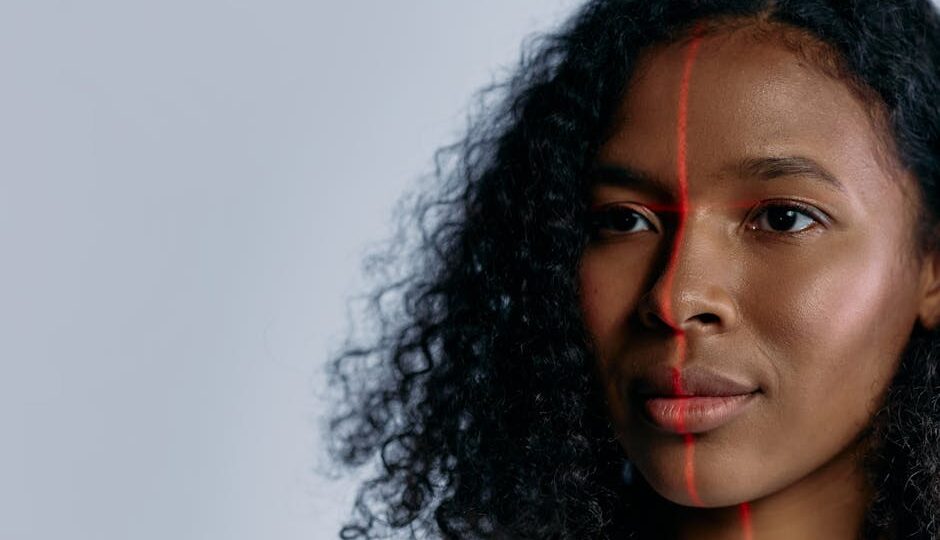
The Rise of Biometric Security: What It Means for You
Remember the days when a simple password felt like enough to secure your online accounts? Fast forward to 2026, and the landscape of digital security has dramatically evolved. Enter biometric security—a field that has surged in both technological advancement and everyday application, redefining how we protect our personal information.
What Is Biometric Security?
Biometric security refers to the use of biological traits to verify identity. Unlike traditional passwords, which can be easily forgotten or hacked, biometric identifiers are uniquely tied to an individual’s physical characteristics. Think fingerprints, facial recognition, and even retinal scans. These identifiers are difficult to duplicate, making them robust solutions for safeguarding your digital life.
According to the Global Biometric Security Market report, the sector is projected to reach a staggering $68.6 billion by 2028, reflecting a compound annual growth rate of 15.5% since 2022. Such growth underscores the increasing trust and reliance on biometric technology in various sectors, from banking to healthcare.
How Biometric Security Is Transforming Daily Life
Biometric security isn’t limited to high-tech laboratories or sci-fi movies—it’s all around us. If you own a smartphone, you likely unlock it using your fingerprint or face. This seamless integration into daily life has made biometrics an unobtrusive yet powerful part of our security toolkit.
- Smartphones and Tablets: Devices from brands like Apple and Samsung now include advanced facial recognition systems, using 3D depth mapping to ensure your device unlocks only when it identifies your face.
- Banking and Finance: Banks such as HSBC and Bank of America have introduced voice recognition and fingerprint authentication for secure transactions. This transition not only enhances security but also streamlines user experience.
- Workplace Security: Companies globally are adopting biometric entry systems. New York’s One World Trade Center uses facial recognition to grant access to employees and visitors, minimizing reliance on easily lost or stolen access cards.
The Ethical Implications of Biometric Data Collection
With great power comes great responsibility. Biometric security raises significant ethical questions, primarily concerning data privacy and misuse.
One major concern is data storage. Biometric data is extremely sensitive, and a breach could have severe consequences. Imagine the repercussions if a company’s facial recognition database was hacked. This has encouraged companies to adopt decentralized storage solutions and end-to-end encryption, ensuring that data remains in the hands of its rightful owner.
Furthermore, the potential for surveillance is a hot topic. A report by the Electronic Frontier Foundation highlights how governments could abuse biometric databases for mass surveillance, raising privacy concerns among civil rights advocates. Balancing security benefits with privacy rights is crucial as this technology becomes more prevalent.
Biometric Security in Healthcare
Healthcare is rapidly becoming a focal point for biometric security applications. Hospitals and clinics are implementing biometric systems to streamline patient identification processes, ensuring that medical records are both accessible and secure.
For instance, the use of palm vein technology in Japan’s healthcare system has significantly reduced medical fraud while enhancing patient data security. This not only improves the efficiency of healthcare services but also safeguards sensitive patient information from unauthorized access.
Moreover, wearable devices equipped with biometric sensors are revolutionizing patient monitoring. Devices like the Fitbit Charge 6 can continuously monitor heart rate and oxygen levels, allowing healthcare providers to receive real-time data and offer prompt medical interventions if necessary.
The Future of Biometric Security
Looking ahead, the evolution of biometric security appears promising and wide-reaching. Emerging technologies such as behavioral biometrics, which analyze voice patterns, keystroke dynamics, and even walking gait, hint at a future where security is not only about who you are but also how you act.
Collaborations between tech companies and biometric firms are on the rise, aiming to develop more secure and user-friendly authentication methods. For example, Microsoft has partnered with NEC to integrate advanced biometric capabilities into their upcoming Windows 13 operating system, promising enhanced security without compromising user convenience.
Practical Takeaway
As biometric security becomes more intertwined with our daily lives, it’s important to stay informed about both its capabilities and its limitations. Embrace this technology by ensuring your devices and applications are equipped with the latest biometric features. Always consider the security policies of the institutions holding your biometric data, and advocate for transparency and stringent data protection measures. Ultimately, while biometric security offers unparalleled protection, the key lies in its responsible and ethical use.