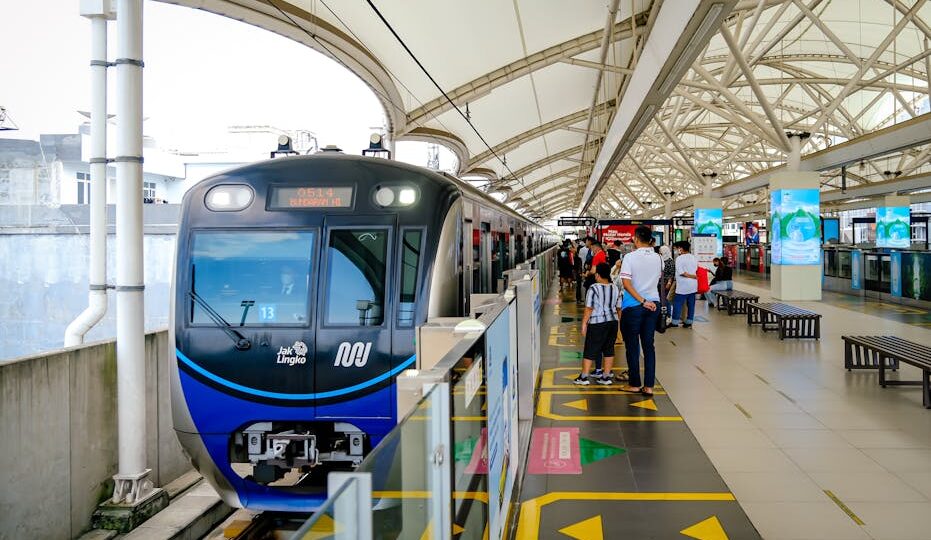
The Rise of Smart Infrastructure
Urban landscapes are undergoing a transformation with the integration of smart infrastructure. In 2026, cities across the globe are increasingly adopting technology to create more efficient, sustainable, and livable environments. In Singapore, a pioneer in smart city initiatives, innovations like autonomous public transit and intelligent traffic management systems are reducing commute times and improving air quality.
Smart infrastructure isn’t just about transport. Stockholm’s smart grid, for example, is revolutionizing energy consumption, allowing residents to optimize their usage and contribute to a greener city. These examples highlight how technology is being woven into the fabric of urban life, making cities more responsive and adaptable to the needs of their populations.
Public Safety and Surveillance
In terms of public safety, technology is playing a crucial role. Surveillance is no longer limited to CCTV cameras. In cities like New York, AI-driven analytics are used to predict and respond to crime before it happens. Camera networks equipped with facial recognition can quickly identify suspects, while data from social media and other public sources are analyzed in real-time to anticipate incidents.
However, this raises important concerns about privacy and civil liberties. Many residents worry about the implications of living in a constantly monitored environment. As smart cities grow, finding a balance between security and privacy is becoming an urgent issue for policymakers and technologists alike.
Smart Housing Solutions
Finding affordable housing in urban areas has always been a struggle, but smart technology is beginning to ease these pressures. In 2026, smart housing solutions are becoming more prevalent. Cities like Tokyo are leading the way with modular homes that can be easily reconfigured to meet the needs of different residents.
These homes are equipped with IoT devices that automate energy usage, security, and even grocery deliveries. By harnessing data, smart homes can significantly reduce living costs while enhancing comfort and convenience for residents.
Environmental Sustainability
As cities grow, so do their environmental footprints. To combat this, many are turning to technology to promote sustainability. Amsterdam, for example, uses drones to monitor air quality and deploys urban farming initiatives supported by AI to boost local food production.
Electric vehicles, supported by widespread charging infrastructure, are becoming the norm, reducing reliance on fossil fuels. Moreover, waste management systems employing smart bins are optimizing collection routes and minimizing landfill contributions. These initiatives underscore the potential of technology to foster more sustainable urban ecosystems.
Engagement and Participation
Smart cities are also about empowering citizens. Platforms like Madrid’s “Decide Madrid” allow residents to propose and vote on city projects, ensuring that urban development aligns with the community’s needs. Technology is making it easier for citizens to engage with their governments and participate in decision-making processes.
Incorporating feedback loops through apps and online portals enhances transparency and accountability in urban governance. This trend of participatory governance is crucial for fostering trust and collaboration between citizens and city authorities.
Takeaway: Adapting to a Smart Future
The rise of smart cities is not just a technological trend; it’s a fundamental shift in how we envision and build our urban environments. As technology becomes more integrated into city infrastructure, the potential for improved quality of life grows considerably. However, it also calls for vigilant consideration of ethical implications. In adapting to these changes, cities must prioritize inclusivity, ensuring that all residents can benefit from the advances of a smart urban future.