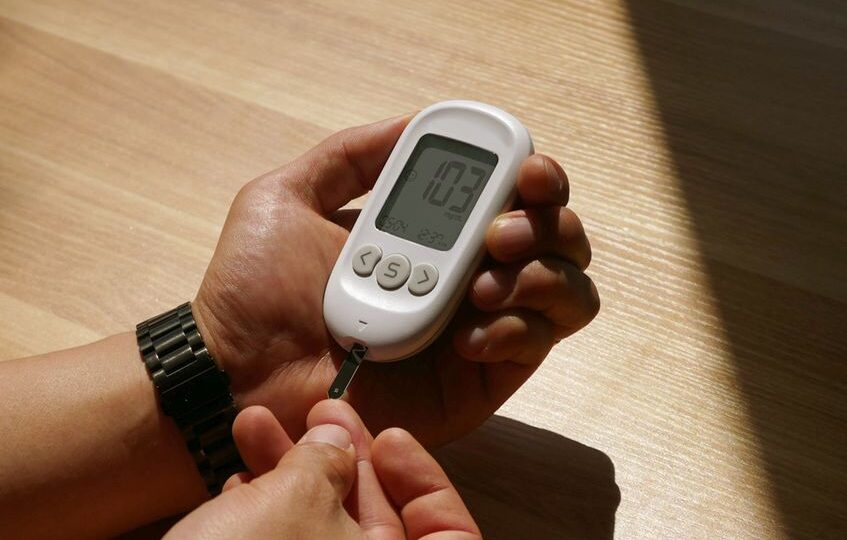
The Rise of Personal Health Monitoring Devices
In 2026, personal health monitoring devices have become indispensable companions for millions. Gone are the days when health tracking was limited to fitness enthusiasts. Today, a broad spectrum of users, from tech-savvy teenagers to health-conscious seniors, are sporting these gadgets. They do more than count steps; they offer real-time insights into your body’s daily performance and long-term health trends.
More Than Just Fitness: Comprehensive Health Insights
While early versions of wearable tech focused on basic metrics like steps and calorie burn, today’s devices delve deeper. Advanced sensors track everything from heart rate variability to oxygen saturation, stress levels, and even blood glucose. Brands like FitLife and AuraBio have produced models capable of integrating seamlessly with telemedicine platforms, providing doctors with live health data. This evolution helps in timely diagnosis and personalized treatment plans.
Smart Rings: The New Kids on the Block
Smart rings have taken the market by storm, offering a discreet alternative to bulky wristwear. Sleek and fashionable, these rings pack a punch with features such as sleep analysis, menstrual cycle tracking, and hydration reminders. Companies like CircaRing have introduced models that use sapphire crystals, making them not only durable but attractive. The ring’s compact design belies its ability to monitor and report on cardiovascular health, a feature once reserved for larger devices.
The Power of AI: Predictive Health Monitoring
Artificial intelligence is revolutionizing how health data is analyzed. With machine learning algorithms, these devices now provide predictive insights. For instance, if your heart rate variability suggests a potential issue, the device might notify you and suggest preemptive measures. Brands such as IntelliHealth have AI-driven platforms that analyze continuous glucose monitoring data to predict insulin needs, thus transforming diabetes management.
Privacy Concerns: Balancing Convenience and Security
With great data comes great responsibility. As these devices accumulate vast amounts of personal health data, concerns about privacy and data security have grown. Companies are investing heavily in encryption and secure data storage solutions. Users are given more control over their data, with options to decide how it’s shared and used. Governments worldwide are tightening regulations, ensuring consumer protection remains paramount.
What This Means for the Future
As technology continues to evolve, so too will our approach to personal health management. The integration of wearable health devices into daily life has the potential to significantly reduce healthcare costs and improve quality of life. By enabling early detection and continuous monitoring, these gadgets empower users to take charge of their health like never before.
The Practical Takeaway: As personal health monitors become more sophisticated, consider what features best suit your lifestyle and health needs. Whether it’s a smart ring for subtlety or a comprehensive wristband, the right device can transform your approach to health and wellness.