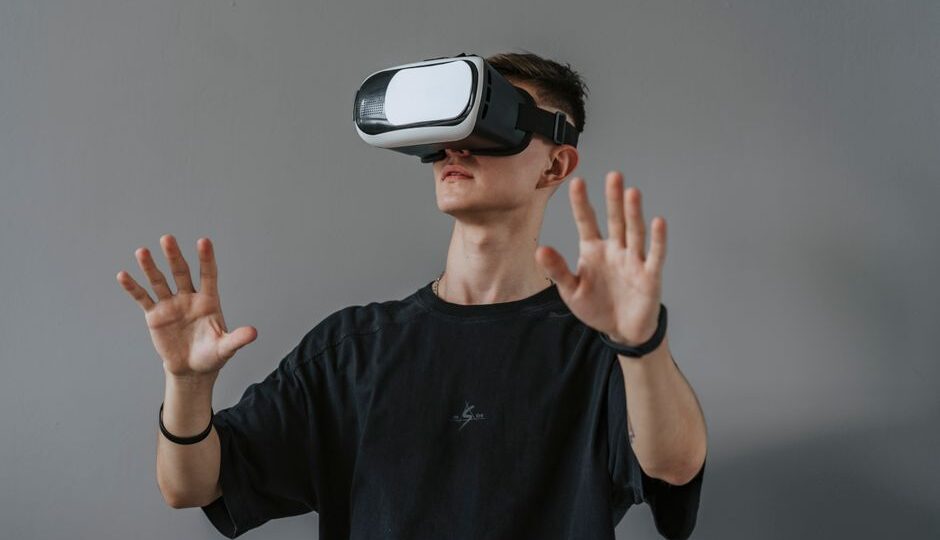
The New Age of Augmented Reality
Remember when augmented reality was just a gimmick for gaming apps? Fast forward to 2026, and AR glasses are now an irreplaceable part of our everyday tech arsenal. Gone are the days when people fumbled with their phones to get a glimpse of an AR overlay. Today, with the latest AR glasses, information seamlessly integrates into our field of view, enhancing both convenience and experience.
Key Players in the AR Space
A few tech giants have risen to the top in the AR glasses market. VisionNext, a startup based in San Francisco, has made waves with their lightweight, stylish designs that cater to a variety of uses, from professional to personal. Meanwhile, HoloLens 3 by Microsoft continues to dominate the enterprise space, with its robust features tailored for industries ranging from healthcare to engineering.
Apple’s iGlasses have managed to capture a significant share of the consumer market, thanks largely to their seamless integration with the Apple ecosystem and minimalist design that appeals to the brand’s loyal users. Each of these players brings something unique to the table, ensuring that there’s an AR solution for everyone.
Practical Uses You Didn’t Know About
- Navigation: Imagine navigating the bustling streets of New York City without ever looking down at your phone. AR glasses now provide real-time directions and overlays of points of interest, making urban exploration a breeze.
- Workspaces: For remote workers, AR glasses have transformed home offices. Virtual monitors and dynamic workspaces mean professionals can work from anywhere without the need for bulky hardware.
- Education: Classrooms have undergone a revolution. Students can now experience interactive history lessons or augmented science experiments, providing a deeper understanding of complex subjects.
Challenges in AR Adoption
Despite the impressive advancements, AR glasses face their fair share of hurdles. Privacy remains a significant concern. With devices capturing continuous data and images, manufacturers are under pressure to ensure user data is secure. Additionally, there’s the challenge of social acceptance. While the tech-enthused have readily adopted AR glasses, there’s still a portion of the public hesitant to embrace this face-mounted technology.
Looking Ahead: The Future of AR Glasses
The potential for AR glasses is vast. As AI continues to evolve, we can expect even more personalized experiences. Imagine glasses that not only provide information but also adapt to your preferences, offering suggestions or insights without any input. The integration of 5G technology ensures data is transferred seamlessly, enhancing real-time applications.
Moreover, as the hardware continues to shrink and become more energy-efficient, the line between digital and physical realities will blur further. What was once science fiction is quickly becoming our everyday reality.
Final Takeaway
AR glasses are no longer just futuristic gadgets. They’ve embedded themselves deeply into our daily routines, enhancing how we interact with the world. As technology progresses, these glasses promise to bring even more immersive and practical applications, proving to be an essential tool in our tech-centric lives.