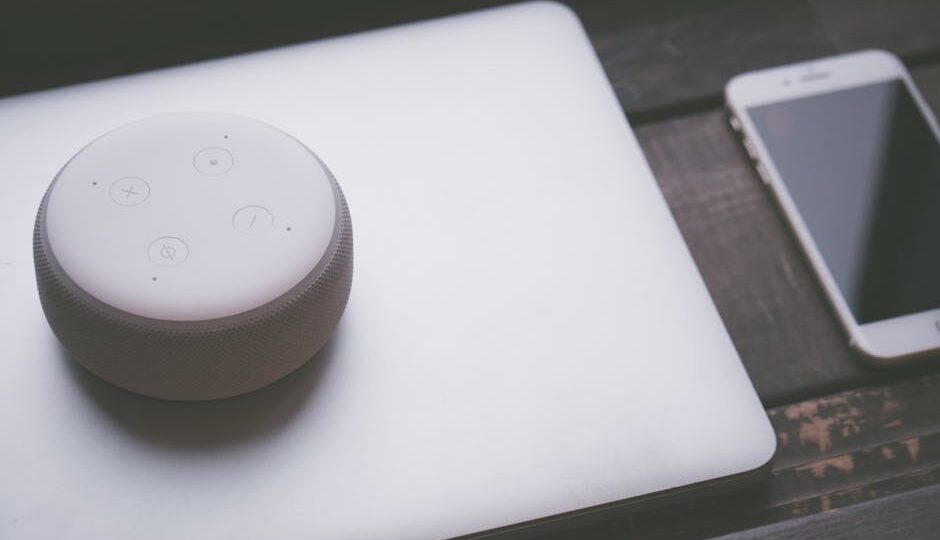
Introduction: A New Era of Home Management
As we cruise through 2026, AI-powered personal assistants are reshaping the way we manage our homes. From organizing our schedules to managing smart home devices, these digital butlers have evolved into indispensable members of the modern household. Let’s delve into how these intelligent systems are turning our living spaces into efficient, responsive environments.
The Evolution of AI Assistants
AI assistants have come a long way since their early days of simple voice recognition and basic task execution. Today’s models, like the Aurana 5.0 and Nexa AI Home System, boast advanced natural language processing capabilities, allowing for more nuanced interactions. These systems don’t just follow commands—they understand context, learn your preferences, and anticipate your needs.
In 2026, these assistants can seamlessly integrate with various smart devices, creating a centralized hub for home management. From controlling lighting to optimizing energy usage, AI assistants are designed to enhance convenience and sustainability.
Smart Scheduling and Personalization
Personal assistants now excel at organizing our lives. They can manage complex schedules, set reminders, and even suggest activities based on your preferences and habits. For instance, if you frequently attend yoga classes in Central Park, your assistant might remind you to bring an extra water bottle or suggest alternative sessions when the weather looks bad.
Beyond basic scheduling, these systems offer personalized insights. Perhaps you’ve been sleeping less due to a late-night Netflix binge. Your AI could suggest adjusting your bedtime routine, even integrating with your smart mattress to promote better rest.
Home Security and Automation
Security is another domain where AI assistants shine. They integrate with smart cameras and locks, providing real-time alerts and access control. Imagine being at a tech conference in San Francisco and receiving a notification about a potential security breach at home. Your assistant can assess the situation using integrated camera feeds and alert the relevant authorities if necessary.
Automation also extends to daily chores. From setting your coffee maker to brewing the perfect cup at your wake-up time to ensuring all lights are off when you leave, AI assistants manage your routines with precision.
AI Assistants and Energy Efficiency
In the face of climate change, energy efficiency has become a priority. AI assistants contribute by optimizing energy usage based on your habits and preferences. They can adjust heating and cooling systems, monitor energy consumption, and suggest ways to reduce waste.
For example, if you’re out for the day, your AI assistant might adjust the thermostat to save energy, ensuring the house is comfortable by the time you return. This kind of intelligent energy management is paramount in reducing both your carbon footprint and utility bills.
Challenges and Considerations
Despite their benefits, AI assistants raise privacy concerns. With extensive data collection necessary to function effectively, users must carefully consider the security measures in place. Companies like Aurana and Nexa have invested heavily in encryption and data protection, but staying informed about privacy policies remains crucial.
Additionally, as AI systems become more entrenched in our daily lives, there is a learning curve involved in maximizing their utility. Users need to stay engaged, regularly updating systems and providing feedback to refine functionalities.
Practical Takeaway: Embracing the Future Smartly
AI-powered personal assistants are more than just gadgets; they’re transformative tools for modern living. By embracing these technologies, you can enhance your home’s efficiency, streamline your schedule, and contribute to a more sustainable world. However, it’s essential to engage with these systems thoughtfully, balancing convenience with privacy and staying informed about developments in AI technology.