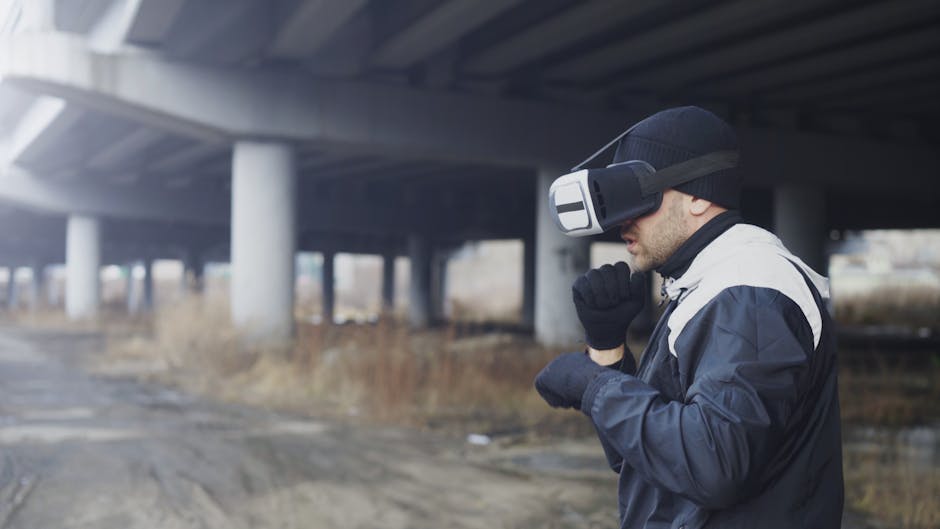
The Urban Adventure Evolution
As of 2026, augmented reality (AR) has infiltrated the realms of gaming, education, and most fascinatingly, urban exploration. No longer just a tool for gamers and tech enthusiasts, AR now plays a pivotal role in how we perceive and interact with the world. Imagine wandering the streets of New York City, but instead of just seeing skyscrapers and bustling sidewalks, you’re also navigating a digital tapestry of history, art, and stories seamlessly overlaid onto the real-world canvas.
How Does Augmented Reality Work in Urban Settings?
AR in urban environments relies heavily on the synergy between location-based services, machine learning, and high-speed connectivity. With the widespread adoption of 6G, latency has become a thing of the past, allowing real-time data processing and seamless integration of digital elements into our physical surroundings. Devices equipped with advanced sensors and cameras can now accurately map and recognize urban landscapes, transforming every corner into a potential source of information and interaction.
Key Players and Innovations in 2026
- UrbanSight: This startup has gained traction with its immersive city guides. By partnering with local historians and artists, UrbanSight overlays historical events and artworks directly onto the streets, offering users a time-traveling experience like no other.
- NavigAR: Focusing on practical applications, NavigAR provides real-time navigation prompts with added contextual information about landmarks, public transport schedules, and even live crowd analytics to help users avoid congested areas.
- HeritageSense: This application turns urban exploration into an educational journey. It features voice-activated narratives that engage the user with stories from the past, delivered by virtual avatars that appear as you approach historical sites.
Challenges on the Path to Urban Augmentation
While the potential is vast, several hurdles remain. Privacy concerns are at the forefront, as AR applications require extensive data collection to function effectively. Ensuring user data is protected and not exploited is critical. Additionally, the need for widespread infrastructure improvements, such as public AR nodes and enhanced network coverage, continues to challenge urban planners.
Moreover, creating universally accessible content requires collaboration between technologists and city authorities. Balancing informative content with the preservation of urban aesthetics and local culture remains a delicate task.
The Impact on Tourism and Daily Life
AR is revitalizing tourism by turning local sightseeing into interactive adventures. Cities like Tokyo, Paris, and Rome have embraced this technology, offering AR-enhanced walking tours that highlight both popular attractions and hidden gems. Meanwhile, locals benefit from AR by rediscovering their cities and learning about elements they might have overlooked in their daily routines.
The capacity for AR to bridge the gap between residents and their environment fosters a sense of community and belonging. Through gamification elements, such as city-wide scavenger hunts or community challenges, AR promotes social interaction and encourages people to engage with their surroundings in novel ways.
Practical Takeaway: Enhancing Your Urban Experience
Whether you’re a traveler or a local, AR offers a richer, more immersive exploration of cities. Begin by downloading an AR app like UrbanSight or NavigAR before your next outing. Explore your neighborhood with fresh eyes, or plan your next city adventure to experience firsthand how digital and physical realities are blurring. Embrace AR’s potential to transform mundane cityscapes into interactive storytelling experiences, and discover the hidden layers of your urban environment.