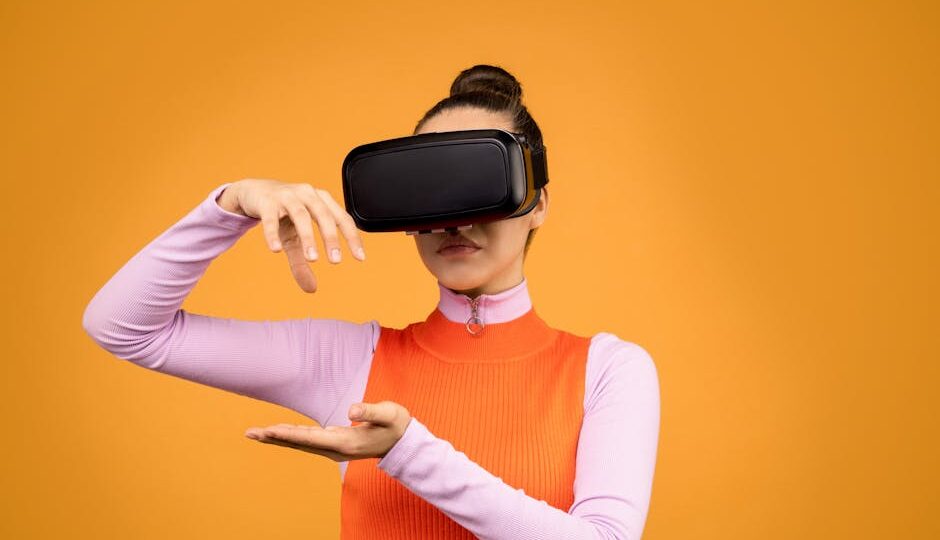
5 Ways Augmented Reality Is Changing the Retail Experience
Augmented Reality (AR) has been on the rise, and in 2026, it continues to revolutionize the retail landscape. It’s not just a fancy tech add-on. It’s reshaping how we shop, providing us with an enhanced experience that was once the stuff of science fiction. From virtual try-ons to interactive displays, AR is making shopping more immersive and personal than ever before.
Virtual Try-Ons: No More Dressing Room Dilemmas
One of the most significant changes AR brings to retail is the ability to try on clothes without stepping into a dressing room. Brands like Zara and H&M have embraced AR try-ons, allowing customers to see how clothes fit and look on their bodies through their smartphones or in-store AR mirrors. This technology has reduced return rates by up to 30% as shoppers make more informed decisions.
Imagine standing in front of a mirror and seeing the outfit you picked out digitally draped over you. It’s not just about size and fit; it’s about visualizing color combinations and accessory pairings. This feature enhances convenience and provides a novel shopping experience that keeps customers coming back.
Interactive Store Displays: A New Level of Engagement
Walk into a Nike store, and you’re greeted by interactive AR displays. These aren’t your average store signs. AR-powered installations allow customers to explore products in 3D, see them in action, and even understand the technology behind them. This not only educates the consumer but also entertains them, making the shopping experience much more engaging.
These displays are not just passive experiences. They invite you to interact, providing a deeper understanding of the product’s features and benefits. It’s a powerful tool for brands looking to differentiate themselves in a crowded market.
Personalized Shopping Experiences: Tailored Just for You
AR has taken personalization to new heights. Imagine walking into a store and receiving product recommendations tailored to your preferences, past purchases, and even your current mood. Retailers like Sephora and Nordstrom are leading the charge, using AR to offer personalized beauty consultations and fashion advice.
This level of personalization is powered by advanced data analytics and machine learning. It’s like having a personal shopper who knows your tastes and can predict what you might like, making your shopping experience efficient and enjoyable.
Enhanced Product Visualizations: See Before You Buy
Home decor and furniture shopping have taken a leap forward with AR. Companies like IKEA and Wayfair offer apps that let you visualize how furniture will look in your space before you purchase. You can see if that couch really matches your living room or if that rug complements your decor.
This technology helps eliminate buyer’s remorse and reduces return rates, which in turn, benefits both retailers and consumers. By using your smartphone’s camera, you can place virtual furniture in your home, move it around, and see how it fits spatially and aesthetically.
AR-Powered Navigational Aids: Shop with Ease
Finding your way around large stores or shopping malls can be daunting. AR technology helps guide you, providing directions and locating items on your shopping list with precision. In 2026, malls in major cities like New York and Tokyo have implemented AR navigation systems that make shopping trips more efficient.
These navigational aids use your smartphone to create a digital map overlay, guiding you turn-by-turn to your desired destination. It’s a game-changer for those who may otherwise feel overwhelmed by vast retail spaces.
AR is reshaping retail into a more interactive, personalized, and engaging experience. It’s not just about adopting new technology; it’s about leveraging it to create meaningful interactions with consumers. As AR continues to evolve, the possibilities for enhancing the retail experience are virtually limitless. Next time you shop, embrace these technological wonders to make your trip more enjoyable and productive.