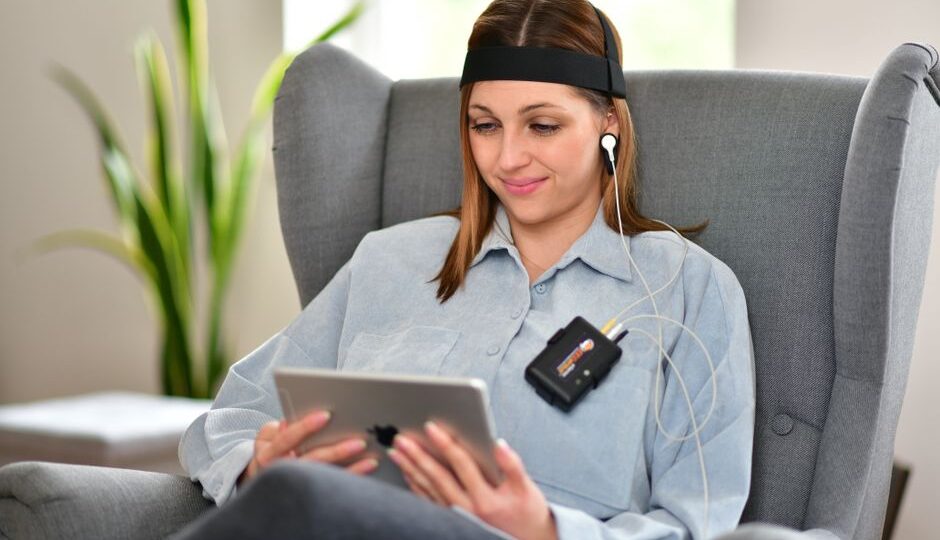
Introduction to Brainwave Technology
Imagine controlling your devices without lifting a finger. It sounds like science fiction, but brainwave technology is making it a reality in 2026. This cutting-edge interface is now at the heart of a range of gadgets, allowing us to interact with technology through thought alone. Let’s delve into how this fascinating innovation is reshaping the tech landscape.
The Mechanics Behind Brainwave Tech
Brainwave technology harnesses the power of EEG (electroencephalography) sensors to capture the brain’s electrical activity. These sensors, sometimes embedded in headsets or even embedded in everyday objects like glasses and caps, interpret the brain’s signals and translate them into commands that devices can understand. This technology has been refined over the years, with improved accuracy and responsiveness in consumer gadgets introduced in 2026.
For instance, the latest NeuraLoop headset allows users to control smart home features, play games, or even navigate through wearable AR interfaces seamlessly. The potential applications seem limitless as this technology continues to evolve.
Gadgets That Are Leading the Charge
- MindMesh Smart Glasses: These are not your typical eyewear. By integrating brainwave technology, MindMesh allows users to navigate augmented reality environments through thought. Whether you’re browsing the internet, reading an e-book, or interacting with virtual objects, it’s all possible without touching a screen.
- Cerebral Control Consoles: Gaming has reached new heights with consoles that respond to your brainwaves. This year, the NeuroPlay X7 has taken center stage, making competitive gaming more immersive and intuitive than ever before. Players execute complex commands in-game without the need for controllers, providing a truly hands-free experience.
- FocusWave Meditation Devices: Stress management and mental wellness have benefited immensely from brainwave technology. FocusWave devices help users meditate by providing real-time feedback on their brain activity. This allows for a personalized meditation experience, enhancing relaxation and self-awareness.
The Impact on Accessibility and Inclusivity
One of the most significant benefits of brainwave technology is its potential to improve accessibility. For individuals with physical disabilities, controlling devices through thought can be life-changing. In 2026, companies like NeuroBridge are at the forefront of creating assistive devices that empower those with limited mobility to interact with technology effortlessly. These advancements are a step towards a more inclusive tech ecosystem.
Challenges and Ethical Considerations
As with any groundbreaking technology, brainwave interfaces come with their share of challenges. Privacy concerns are at the forefront, as the data captured by these devices is incredibly sensitive. Companies must ensure robust security measures are in place to protect user information from misuse. Additionally, there’s the ethical debate on how much control we should allow machines to have based on our neural activity.
There’s also the question of cognitive fatigue. Users might experience a mental strain if these devices are used extensively. Therefore, designing user-friendly and ergonomically sound gadgets is crucial to ensuring long-term usability and comfort.
Practical Takeaway: Embracing the Future
The fusion of brainwave technology with everyday gadgets is no longer a distant dream but a tangible reality in 2026. As we continue to embrace these innovations, it’s crucial to remain conscious of both the benefits and challenges. For consumers, this means staying informed about data privacy and the ethical implications of these technologies. For developers, it’s a call to create solutions that are not only cutting-edge but also respect user integrity and well-being.
The next decade promises even more exciting developments, as brainwave technology continues to evolve and integrate deeper into our daily lives. Are we ready to embrace the potential of controlling the digital world with our minds? It seems 2026 is just the beginning.