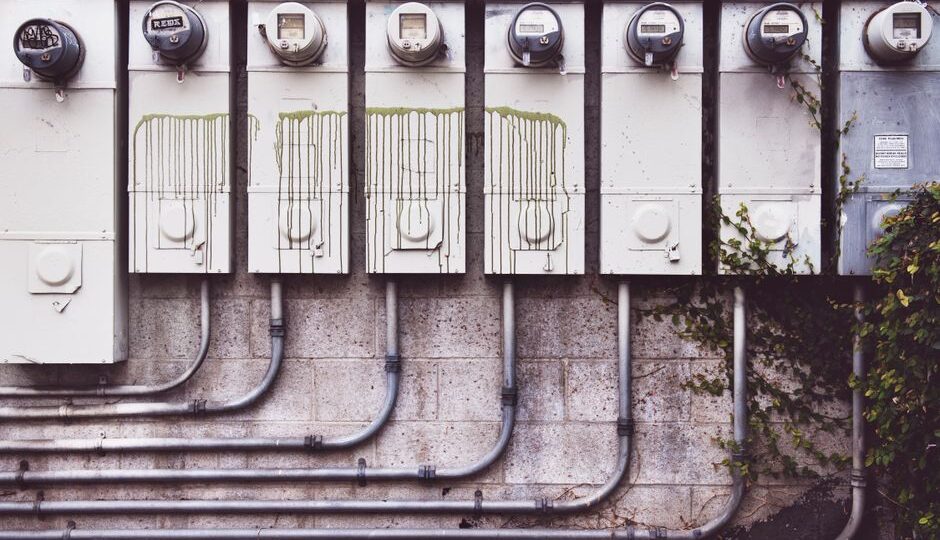
The Smart Grid Revolution
As 2026 unfolds, the landscape of home energy is undergoing a transformative shift. The advent of smart grids, coupled with artificial intelligence (AI), is not just a technological upgrade—it’s a revolution reshaping how we consume, conserve, and think about energy at home. Let’s delve into how these innovations are powering our homes in unprecedented ways.
Understanding Smart Grids
A smart grid is more than just an upgraded power grid. It’s a dynamic, responsive system that leverages data, automation, and advanced technologies to deliver electricity more efficiently and sustainably. Unlike traditional systems, smart grids actively manage electricity demand and supply, optimizing energy use and reducing waste. They’re designed to integrate renewable energy sources seamlessly, a crucial feature as the world pivots toward sustainability.
AI: The Brain of Modern Energy Management
Artificial intelligence is the silent powerhouse behind the smart grid. AI algorithms analyze massive datasets in real-time to predict energy demand, optimize energy distribution, and even anticipate outages before they occur. Imagine an AI that adjusts your home’s energy usage based on your schedule, weather forecasts, and your personal energy goals. This is not futuristic speculation; it’s today’s reality. AI’s predictive capabilities are enabling smarter, more efficient energy management, directly translating into cost savings for consumers.
Case Study: The San Diego Smart Grid Initiative
Let’s take a real-world example: the San Diego Smart Grid Initiative. This project has harnessed the power of AI and smart grid technology to create one of the most advanced energy systems in the United States. By using predictive analytics, the grid can determine the best times to store energy generated by solar panels and when to distribute it. The result? A 20% reduction in electricity costs for participating households and a significant decrease in carbon emissions.
Consumer Benefits: More Than Just Cost Savings
For homeowners, the benefits of engaging with smart grids and AI go beyond mere cost reductions. Enhanced reliability ensures fewer blackouts and quicker recovery times after storms. The integration of renewable energy sources means a smaller carbon footprint. Additionally, smart grids offer greater transparency, allowing consumers to monitor their energy consumption in real-time, empowering them to make informed decisions about their usage patterns.
- Energy Independence: With smart grids, homeowners can become active participants in energy production, thanks to the seamless integration of solar and wind power.
- Personalized Energy Plans: AI-powered systems can tailor energy plans to fit individual lifestyles, ensuring optimal efficiency without sacrificing comfort.
- Environmental Impact: The shift to smart grids promotes sustainability by reducing reliance on fossil fuels and supporting cleaner energy sources.
The Challenges Ahead
Despite the clear advantages, the transition to smart grids and AI-powered energy management isn’t without hurdles. Infrastructure upgrades are costly and require significant investment and policy support. Cybersecurity remains a critical concern, as more connected systems mean increased vulnerability to cyber attacks. However, with ongoing technological advancements and a strong focus on security measures, these challenges are being actively addressed.
A Practical Takeaway for Homeowners
If you’re a homeowner looking to embrace this new era of energy management, there are steps you can take right now: consider upgrading to smart appliances, invest in a home energy management system, and explore opportunities to integrate renewable energy sources like solar panels. As we move forward in 2026, staying informed and proactive is key to harnessing the full potential of smart grids and AI.