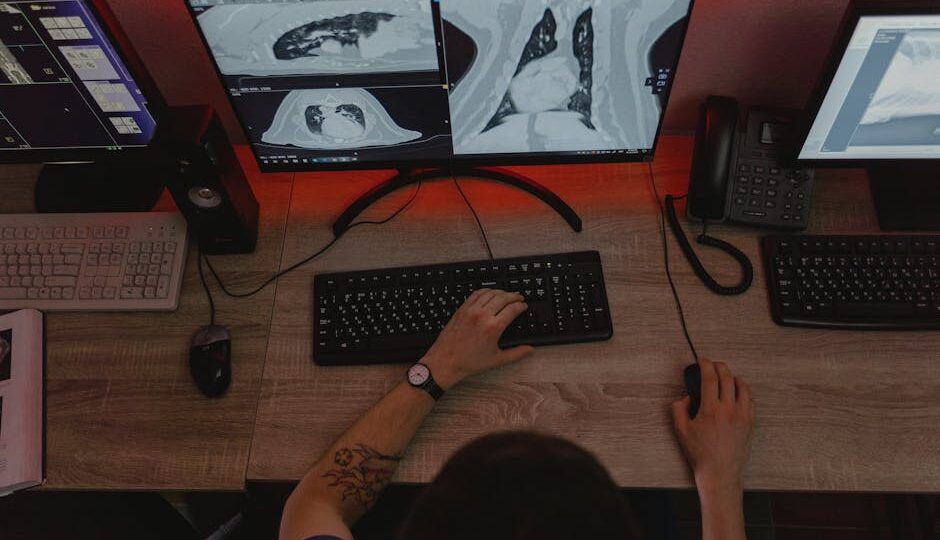
1. Artificial Intelligence: The New Doctor’s Assistant
Artificial Intelligence (AI) has become a cornerstone in healthcare innovation. In 2026, AI systems are not just assisting with medical records but actively participating in diagnostics and treatment predictions. DeepMind’s AI, for instance, has achieved a 94% accuracy rate in diagnosing diabetic retinopathy, a significant leap from human accuracy. AI’s ability to analyze massive datasets in seconds means doctors can access the most current research, leading to more personalized patient care.
2. Telemedicine’s Permanent Place
Telemedicine, which gained traction during the pandemic years, has secured its foothold in the healthcare landscape. A report by the World Health Organization suggests that in rural India, telemedicine services have increased healthcare accessibility by 40%. With VR integration, patients now receive comprehensive remote consultations, including virtual physical exams, without leaving their homes.
3. Wearable Tech: More Than Just Steps
Today’s wearables go well beyond step counts. Devices like the Apple Watch Pro 4 can measure blood sugar levels and detect irregular heartbeats. In 2026, over 35% of the adult population in the U.S. uses wearables to monitor chronic conditions, reducing hospital visits by nearly 27%. These gadgets are not just passive observers; they actively alert users and healthcare providers to potential health issues, preempting emergencies.
4. Genomics and Personalized Medicine
The Human Genome Project paved the way for genomics, but advancements in sequencing technology have truly brought personalized medicine to the forefront. Startups like 23andMe and Helix now offer advanced genomic tests that help identify predispositions to diseases like Alzheimer’s and certain cancers. This genomic insight, when combined with AI, allows for tailored treatment regimens that maximize efficacy and minimize side effects.
5. Robotics: From Surgery to Rehabilitation
Robots in healthcare are no longer a novelty. The da Vinci Surgical System, used in over 8 million surgeries worldwide, exemplifies robotic precision in delicate procedures. In rehabilitation, robots assist patients in regaining mobility through personalized exercise regimes. A study in Germany showed a 60% improvement in recovery times for stroke patients utilizing robotic assistance.
6. Blockchain: Securing Patient Data
Data breaches are a major concern in the digital age. Enter blockchain technology, which provides a secure method for storing and sharing patient records. In Estonia, a pioneer in this field, blockchain secures all healthcare records, ensuring data integrity and patient privacy. This decentralized approach eliminates unauthorized access and ensures that only relevant parties can view sensitive information.
7. 3D Printing: Customizing Care
3D printing continues to revolutionize the medical field by offering customized solutions for patient care. In France, 3D-printed prosthetics have reduced costs by 30% and delivery times by 50%, allowing for quicker patient recuperation. This technology extends to printing organs, with the U.S. seeing its first successful 3D-printed heart valve transplant in 2025, opening doors to lifesaving possibilities.
8. Nanotechnology: Tiny Warriors Against Disease
Nanotechnology offers microscopic solutions to giant problems. Researchers at MIT have developed nanoparticles capable of delivering chemotherapy directly to cancer cells, reducing damage to healthy tissue and improving survival rates. These tiny warriors also play a role in diagnostics, with nanosensors detecting diseases like Zika and COVID-19 in their earliest stages.
9. Augmented Reality: Enhancing Medical Training
Augmented Reality (AR) has transformed medical education. Institutions like Stanford Medical School use AR to provide students with life-like surgical simulations. Trainees can practice procedures in a risk-free environment, allowing for repeated practice and mastery. AR’s impact extends to patient education, where visual aids help patients understand complex medical conditions and treatments.
Practical Takeaway: Technology’s influence on healthcare is undeniable and ever-evolving. As patients, staying informed about these advancements empowers us to make better health choices. For healthcare professionals, embracing these trends means improved efficiency and patient outcomes. The future of healthcare is here, and it’s more exciting than ever.