A Complete Guide to Sustainable Tech Gadgets in 2026
As we navigate through 2026, the quest for sustainability in technology has never been more vibrant. With climate change pressures and a growing consciousness about environmental impact, the tech industry has made remarkable strides toward greener innovations. The year 2026 is particularly noteworthy for an array of sustainable tech gadgets designed not only to enhance our lives but also to preserve our planet.
The Rise of Solar-Powered Devices
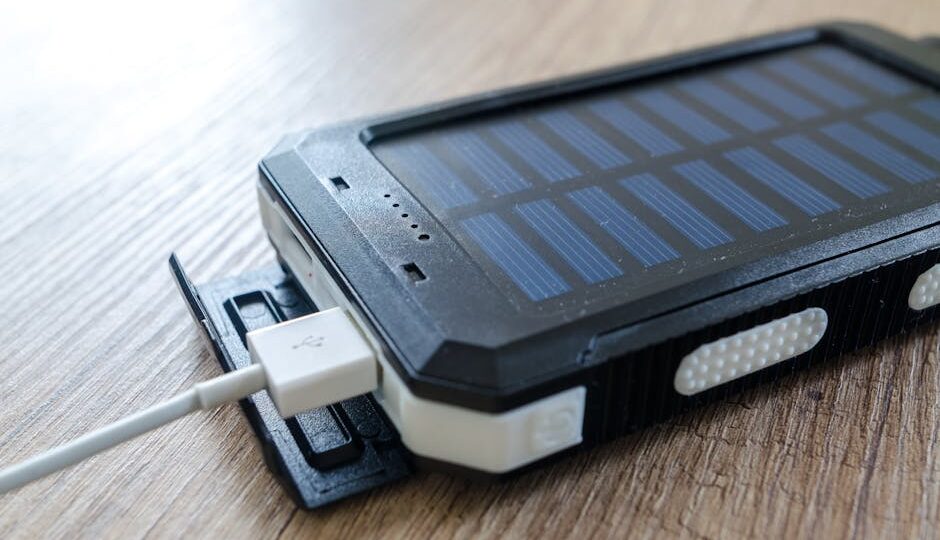
Solar energy has leaped beyond just powering homes and has firmly planted its roots in personal tech gadgets. Solar-powered smartphones are now a common sight. Brands like SunTech and EcoWave have launched devices that integrate solar cells into the phone’s casing, allowing for a full charge in just three hours of sunlight exposure. These smartphones are equipped with sustainable materials, such as biodegradable plastics and recycled metals, making them a hit among eco-conscious consumers.
Moreover, backpacks with built-in solar panels are changing the way we think about charging devices on the go. Companies like SolPro offer backpacks that can charge laptops, tablets, and phones simultaneously, providing a sustainable solution for digital nomads and travelers. Such innovations ensure that staying connected doesn’t come at the planet’s expense.
Eco-Friendly Wearables
Wearables in 2026 are not just about tracking your fitness or health metrics. They are about doing so with minimal environmental impact. Brands like GreenPulse and BioTrack have unveiled wearables made from recycled ocean plastics and organic cotton bands. These devices not only help you stay fit but also contribute to cleaner oceans and reduced textile waste.
Furthermore, the latest smartwatches are now solar-powered, eliminating the need for frequent charging and reducing electricity consumption. With efficient solar cells, these watches can run indefinitely under normal light conditions, aligning perfectly with sustainable living practices.
Energy-Efficient Home Tech
The concept of a smart home has evolved to incorporate energy efficiency at its core. In 2026, smart thermostats, lights, and appliances are all designed with sustainability in mind. The popular brand EcoHome has released a range of smart appliances that adapt to your energy usage patterns, ensuring minimal waste and maximum efficiency.
Smart lighting systems that adjust based on natural light availability are now a staple in modern homes. These systems use advanced sensors to dim or brighten rooms, significantly cutting down on electricity bills and reducing carbon footprints. Additionally, innovations like water-conserving smart showerheads and faucets help in saving water without sacrificing comfort.
Biodegradable Tech Accessories
Tech accessories have often been considered disposable, but 2026 sees a shift towards biodegradable options. Companies like EarthTech have pioneered accessories such as phone cases and laptop covers made from mushroom leather and hemp fibers. These materials not only offer durability but also decompose naturally, leaving no trace behind.
The emphasis on biodegradable materials extends to packaging as well. Several tech companies have committed to using compostable or recyclable packaging, drastically reducing landfill contributions.
Electric Transportation Revolution
Transportation technology has made significant advancements with electric vehicles (EVs) becoming more accessible and sustainable. In cities like Oslo and Amsterdam, electric bikes and scooters are a common mode of transport, equipped with replaceable and recyclable battery systems.
Furthermore, major automotive companies have rolled out EVs with solar panel roofs, capable of extending the vehicle’s range by up to 15 miles per day. This blend of solar and electric technology is driving the transportation sector towards an emission-free future.
Practical Takeaways for Embracing Sustainable Tech
Choosing sustainable tech gadgets in 2026 means making informed decisions that prioritize the planet without compromising on quality or innovation. Start by assessing your current tech needs and explore solar-powered options wherever possible. Opt for wearables and accessories made from recycled or biodegradable materials. At home, invest in smart tech that optimizes energy usage and reduces waste.
Incorporating sustainable tech into daily life not only benefits the environment but also supports a burgeoning market that values ecological mindfulness. As consumers, each choice we make can ripple through the industry, encouraging more brands to adopt greener practices.