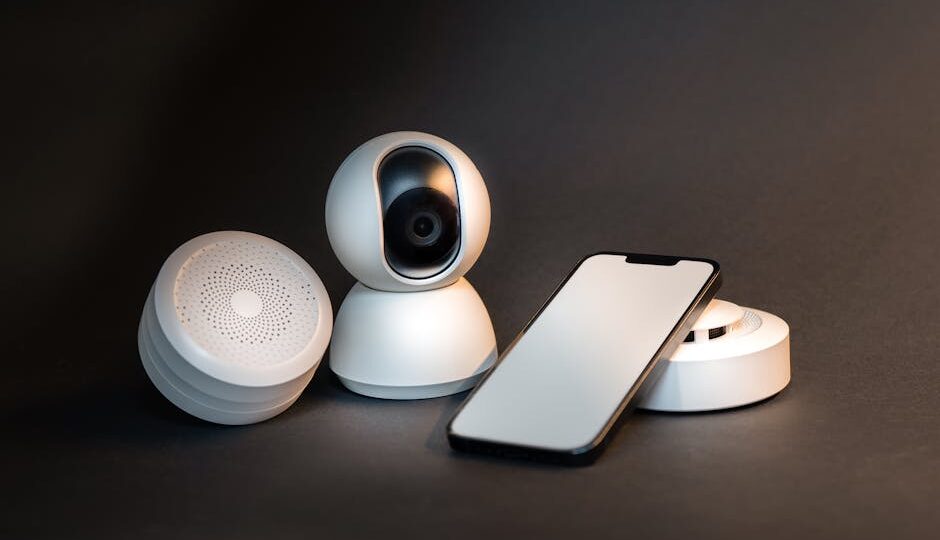
7 Mistakes to Avoid When Setting Up Your Smart Home
Smart homes are no longer the stuff of science fiction. They’re here, they’re growing, and they promise to make our lives more convenient and connected than ever. But that doesn’t mean the path to a fully integrated smart home is free of pitfalls. If you’re venturing into the smart home world, it pays to navigate it with a little foresight and planning. Here are seven common mistakes you should steer clear of to ensure your smart home setup is both efficient and future-proof.
1. Ignoring Compatibility Issues
The tech landscape is ever-changing, with new devices and protocols emerging regularly. While it might be tempting to grab the latest gadgets, it’s crucial to ensure that your devices are compatible with each other. Incompatible devices can lead to a fragmented system that requires multiple apps and hubs to operate, which can be a real headache.
For instance, you might find an amazing smart thermostat on the market, but if it doesn’t work with your existing smart home platform, you’ll end up juggling separate ecosystems. Instead, consider selecting products that support universal standards like Zigbee or Z-Wave, or those that are compatible with major platforms such as Amazon Alexa, Google Assistant, or Apple’s HomeKit.
2. Overlooking Security Concerns
With increased connectivity comes increased risk. Cybersecurity should be at the forefront of your mind when setting up a smart home. Neglecting security can lead to unwanted intrusions and data breaches, a nightmare scenario for anyone.
Ensure all your devices are regularly updated with the latest firmware. Use strong, unique passwords for each device and consider investing in a smart home hub with built-in security features. Additionally, enable two-factor authentication wherever possible to add an extra layer of protection.
3. Underestimating Your Wi-Fi Needs
A solid and reliable Wi-Fi network is the backbone of any smart home. However, many people set up a myriad of devices without considering the impact on their network. A standard router might not handle the load of multiple smart devices, leading to frustrating lags and connectivity issues.
Consider upgrading to a mesh Wi-Fi system which can extend coverage throughout your home, ensuring that every smart device, from your smart fridge in the kitchen to your security camera on the porch, works seamlessly. Additionally, place your router strategically to minimize dead zones and optimize performance.
4. Not Planning for the Future
A well-thought-out smart home should be able to evolve as your needs change. Avoiding future-proofing could mean having to overhaul your system in just a few years. As the number of connected devices in households continues to increase, planning for scalability is wise.
Choose devices and platforms that are regularly updated and known for their long-term support. Be wary of investing in proprietary ecosystems that might not be around in a few years, and instead focus on brands and platforms with a track record of longevity.
5. Neglecting the User Experience
Smart homes are meant to simplify life, yet a setup that’s cumbersome or hard to use can have the opposite effect. User experience should be central to your planning. If family members or guests can’t figure out how to use the systems, the technology will become a source of frustration rather than convenience.
Consider the learning curve associated with each device. Opt for systems and interfaces that are intuitive and user-friendly. Smart speakers and displays with voice control can significantly enhance usability, offering hands-free operation for those times when your hands are full.
6. Forgetting About Aesthetics
It’s easy to get caught up in the functionality of smart devices and forget about how they look. Unattractive devices or cumbersome installations can detract from the aesthetics of your home.
When shopping for smart home gadgets, look for those that offer a balance between form and function. Many manufacturers are now considering design aesthetics, offering products in a variety of finishes and styles to match different decors. Don’t forget about cable management either — a well-organized setup not only looks better but can also improve device performance.
7. Skipping the Manual
Finally, in our haste to get everything up and running, we often skip reading the manual. This seemingly small oversight can lead to misconfigurations and missed features. Taking the time to understand your devices fully can unlock their true potential and lead to a much smoother experience.
Some features or optimizations might not be immediately obvious, especially for complex devices like smart hubs or cameras. Investing a bit of time at the start can save you a lot of hassle later on.
Practical Takeaway
Setting up a smart home is an exciting venture that can lead to increased convenience and efficiency. By avoiding these common mistakes, you can create a connected home that not only meets your current needs but is also adaptable for future technology advancements. Remember, a little planning and forethought go a long way in creating a smart home that truly enhances your lifestyle.