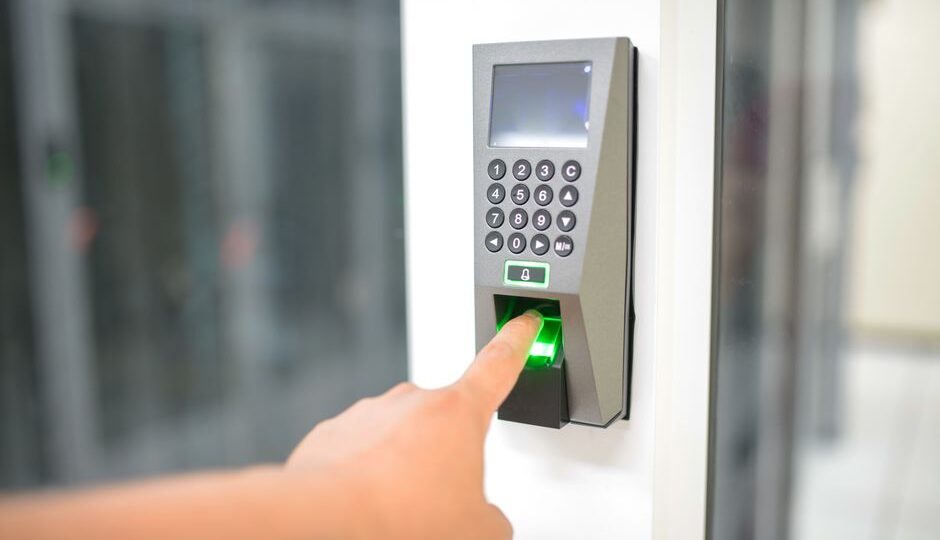
The Emergence of Biometric Payment Systems
The year 2026 has brought with it a remarkable shift in how we pay for things. While mobile payments and smart wallets seemed revolutionary just a few years ago, they’re quickly becoming outdated. Enter biometric payment systems, the new frontier in financial transactions. These systems leverage unique human characteristics such as fingerprints, iris scans, and even voice recognition to authenticate and authorize payments. This technology is not just a novel concept but is actively reshaping the landscape of retail and personal finance.
How Biometric Payments Work
Biometric payment systems utilize advanced sensors and algorithms to match the biometric data stored on your device or a secure server with your physical characteristics at the point of sale. Think of walking into a grocery store and grabbing your essentials. At checkout, instead of reaching for your wallet, you simply scan your finger or let a camera scan your iris. The system verifies your identity and debits your account in seconds. The process is seamless and reduces the need for cards or cash.
The technology behind these systems includes high-resolution sensors, machine learning algorithms for pattern recognition, and secure data encryption. Companies like Apple’s Face ID or Amazon’s palm-payment technology, Amazon One, have set the stage for this evolution, but 2026 sees an even broader range of options and capabilities.
Security: Addressing Concerns and Enhancements
Security has always been a major concern for payment systems, and biometrics are no exception. However, 2026 marks significant advancements in making these systems more secure than ever before. Biometric data is unique to each individual and extremely difficult to replicate, making fraudulent activities particularly challenging. Moreover, the systems are designed to operate within privacy frameworks, ensuring that your data is safe and used solely for transaction purposes.
Tech companies are continuously working to enhance these systems. Multi-factor authentication, combining biometric data with a PIN or password, provides an additional layer of security. Furthermore, the use of blockchain technology in storing and processing biometric data has minimized the risks of data breaches.
Global Adoption and Real-World Applications
The global adoption of biometric payment systems has been swift. According to a report by Grand View Research, the biometric payment market is expected to reach a valuation of USD 55 billion by 2027. Regions like Asia and Europe are leading the charge, with extensive infrastructure supporting these systems. A recent example is Singapore’s Changi Airport, which now allows passengers to use facial recognition to make duty-free purchases.
Meanwhile, in the United States, major retail chains like Walmart and Target are piloting biometric checkout systems. These initiatives aim to reduce queue times and enhance customer experience. Other notable applications include biometric access to public transportation systems, where cities like Tokyo have implemented fingerprint and facial recognition turnstiles for swift commuter access.
The Downsides and Challenges
Despite their advantages, biometric payment systems are not without challenges. Privacy concerns continue to be a major issue, with critics arguing about the potential misuse of personal data. Additionally, the need for widespread hardware upgrades can be costly for smaller retailers, possibly slowing down adoption rates.
Technical issues like false positives or negatives can also pose problems, particularly in environments with poor lighting or in cases where the technology fails to recognize the user accurately. Addressing these challenges requires continuous development and refinement of the technology.
What This Means for Consumers
For consumers, the widespread adoption of biometric payment systems means more convenience and less hassle. No more fumbling through wallets or worrying about losing cards. It also means better security for financial transactions. However, it also calls for a careful consideration of privacy rights and understanding how companies use and store biometric data. As this technology becomes a staple in everyday transactions, consumers will need to balance convenience with informed decision-making about their personal information.
Practical Takeaway: As biometric payment systems become more mainstream, consumers should educate themselves on how these technologies work, the security measures in place, and how to manage their data privacy. Embrace the convenience, but stay informed and vigilant about the implications of this technological shift.