The Urban Mobility Shift of 2026
With cities expanding and populations soaring, urban mobility has become a hot topic as we navigate through 2026. The urban landscape is changing, and with it, the ways we move. From electric scooters making commuting a breeze in Barcelona to the rise of autonomous ridesharing in San Francisco, technology is reshaping our urban experience.
Electric Scooters: The Swift Commuter Revolution
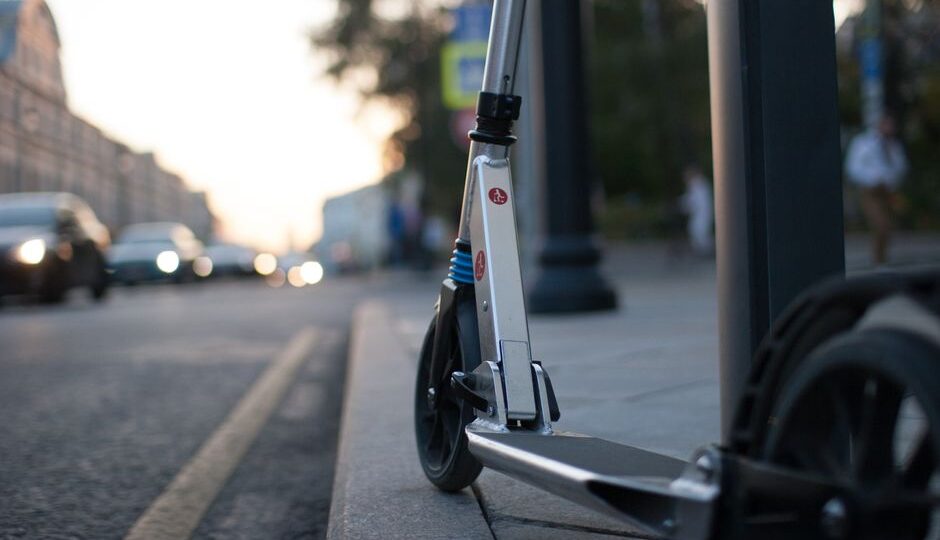
Remember when electric scooters were just novelties? Fast forward to 2026, and they’re essential for city dwellers. Cities like Paris have embraced these zippy two-wheelers with dedicated lanes, significantly reducing commute times. Modern scooters boast longer battery life, with ranges of up to 60 miles on a single charge, making them viable for intercity travel as well.
Additionally, companies are investing in advanced safety features like collision detection and auto-braking systems, reducing accident rates by 30%. It’s no surprise that by 2026, scooters have become a primary mode of transportation in urban centers globally.
Autonomous Ridesharing: Seamless, Safe, and Sustainable
The concept of autonomous vehicles has been around for a while, but they’ve now become a staple in urban mobility. In bustling hubs like New York City, ridesharing giants have rolled out fleets of self-driving cars, significantly cutting down costs and emissions.
These autonomous vehicles are equipped with AI-driven traffic prediction algorithms, which have reduced idle times and improved route efficiency by 40%. Not only does this tech minimize traffic congestion, but it also decreases pollution levels, creating a greener urban environment.
The Rise of Urban Air Mobility
For those who thought flying taxis were a distant dream, 2026 brings exciting news. Cities such as Dubai and Los Angeles are pioneering urban air mobility with electric Vertical Take-Off and Landing (eVTOL) vehicles. These aircraft offer a new dimension to urban transport, bypassing ground traffic and cutting travel times by half.
The infrastructure to support these flying vehicles is expanding rapidly, with vertiports springing up across cityscapes. Companies are focusing on noise reduction technology, ensuring these vehicles integrate seamlessly into the urban soundscape without causing disturbances.
Hyperconnected Public Transport Systems
Public transport is not getting left behind in this tech revolution. Cities like Tokyo have implemented hyperconnected systems that integrate AI to provide real-time updates and personalized travel suggestions. This connectivity has enhanced commuter experience by reducing wait times and optimizing routes based on current traffic conditions.
Moreover, contactless payment systems, biometric identification, and environmental sensors have made public transport faster, safer, and more eco-friendly. These advancements make public transport an attractive option, reducing personal vehicle usage by 25% in major cities.
Smart City Initiatives: A Collaborative Effort
Behind all these innovations are smart city initiatives that aim to create sustainable, efficient urban environments. Cities collaborating with tech firms, like Singapore and Amsterdam, are integrating IoT devices to monitor traffic flow, pollution levels, and public transport efficiency.
These initiatives ensure that urban mobility solutions are continuously optimized, benefiting both the environment and the populace. By 2026, over 50 global cities have adopted comprehensive smart city frameworks, setting benchmarks for future urban developments.
Takeaway: As we delve deeper into 2026, the transformation of urban mobility is evident and exhilarating. Whether it’s hopping on an electric scooter, calling an autonomous ride, or catching a flying taxi, the options are now as diverse as they are innovative. For city planners and tech enthusiasts, the future of urban mobility promises a more connected, efficient, and sustainable world.