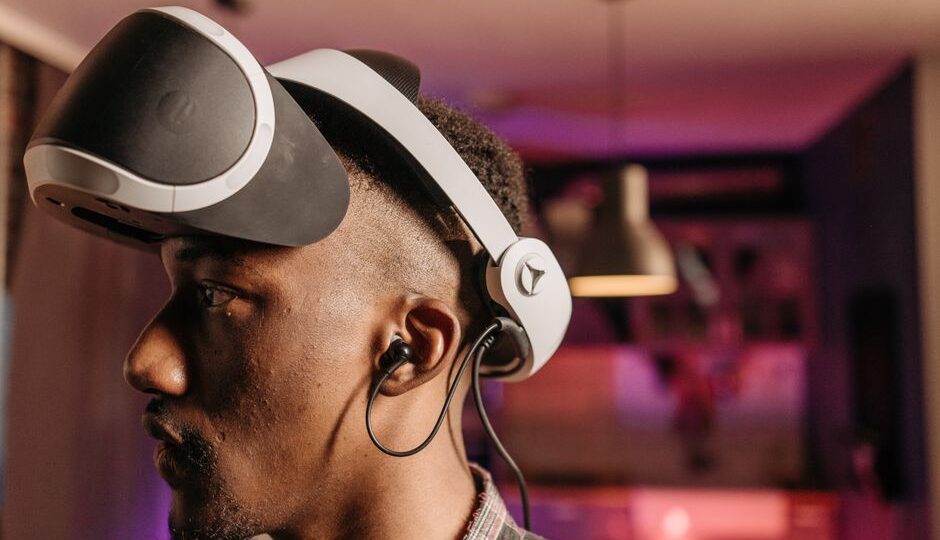
The Sonic Evolution: From Earbuds to Spatial Soundscapes
Audio technology in 2026 is nothing short of revolutionary. We’ve moved beyond simple earbuds and headphones into a realm where sound is an immersive experience, creating an entirely new dimension in how we interact with media, entertainment, and communication. Devices like the EchoSphere by SonicWave have redefined personal audio, providing listeners with customizable 3D soundscapes that transform ordinary listening into an extraordinary experience.
Using advanced algorithms and real-time environmental data, EchoSphere adjusts sound output to match the acoustics of the listener’s surroundings, offering a personalized audio journey. This technology is not just for audiophiles; it’s becoming a staple in work-from-home setups, gaming, and even virtual meetings.
The Role of AI in Audio Customization
Artificial Intelligence has played a pivotal role in advancing audio technology. Companies like AudioGen utilize AI to predict and adjust to user preferences, offering sound experiences that are tailor-made. This is particularly noticeable in platforms like ConcertVR, where AI-driven audio customization ensures that virtual concerts replicate the acoustics and ambiance of live shows with stunning accuracy.
Audiophiles can now enjoy music as intended by artists, with AI adjusting sound frequencies to match individual taste and hearing profiles. This technology is not only enhancing entertainment but also accessibility, providing clearer and more precise audio for those with hearing impairments at venues across the world, from the Royal Albert Hall in London to the Sydney Opera House.
Interactive Soundscapes in Gaming
Gaming has always been at the forefront of audio innovation, and 2026 is no exception. Interactive soundscapes are redefining how gamers experience their digital worlds. Games like Soundscape Odyssey allow players to manipulate their environment through sound, using voice commands and spatial audio to affect gameplay. Instead of traditional controls, players can move through environments and solve puzzles with sound, offering an unparalleled level of immersion.
This innovation is supported by developments in hardware, with companies like GameWave producing headsets that provide 360-degree audio, making every whisper of wind or footstep a crucial part of the gaming experience.
The Integration of Sound in Smart Home Systems
Smart home systems are also benefitting from advances in audio technology. The HarmonyHome system uses sound as a central component of its user interface, allowing homeowners to control their environment with voice and sound-sensitive commands. From adjusting lighting and temperature to enhancing security measures, sound is becoming as integral to home automation as visual interfaces.
Sound-based security systems are on the rise, with devices using unique sonic signatures to recognize household members and detect intruders. This fusion of audio and AI is making homes smarter and safer, creating a seamless living experience.
Practical Takeaway: Embrace the Audio Revolution
The advancements in audio technology in 2026 are reshaping how we experience sound across various aspects of our lives. Whether for entertainment, communication, or security, the integration of AI and spatial audio into everyday tech offers a glimpse into a future where sound is not just heard, but felt and experienced in new ways. Embracing these innovations can enhance both personal and professional experiences, making everyday interactions richer and more immersive.